
4 UNESCO biosphere reserves in Chilean Patagonia: A global natural treasure
May 20, 2026
Chilean Patagonia is a natural treasure trove, home to four UNESCO biosphere reserves that balance biodiversity conservation with human activity. Exploring these places means delving into pristine, one-of-a-kind landscapes, seeing endemic species, and having experiences that last a lifetime.
Traveling to these reserves requires preparation and respect, but the reward is immense: a deep connection with nature, world-class scenery, and the chance to be part of responsible tourism. Discover which reserves you can find in Chile.
Andean Austral Temperate Rainforests
This reserve stretches from the Andes Mountain range in Panguipulli all the way to Futaleufú, in the Los Ríos Region. It includes national parks, reserves, and private sanctuaries such as:
- Vicente Pérez Rosales.
- Puyehue.
- Alerce Andino.
- Hornopirén.
- Villarrica.
- Pumalín.
- Huilo Huilo Biological Reserve.
Why it's special?
Its biodiversity includes unique plant and animal species, making this reserve a living natural laboratory and a must-see for ecotourism lovers:
- The ancestral territory of the Mapuche people.
- Protected forests and water in globally key ecosystems: the southern Andean province and Valdivian forest.
- Considered the largest and most ecologically intact forest remnants on the planet.
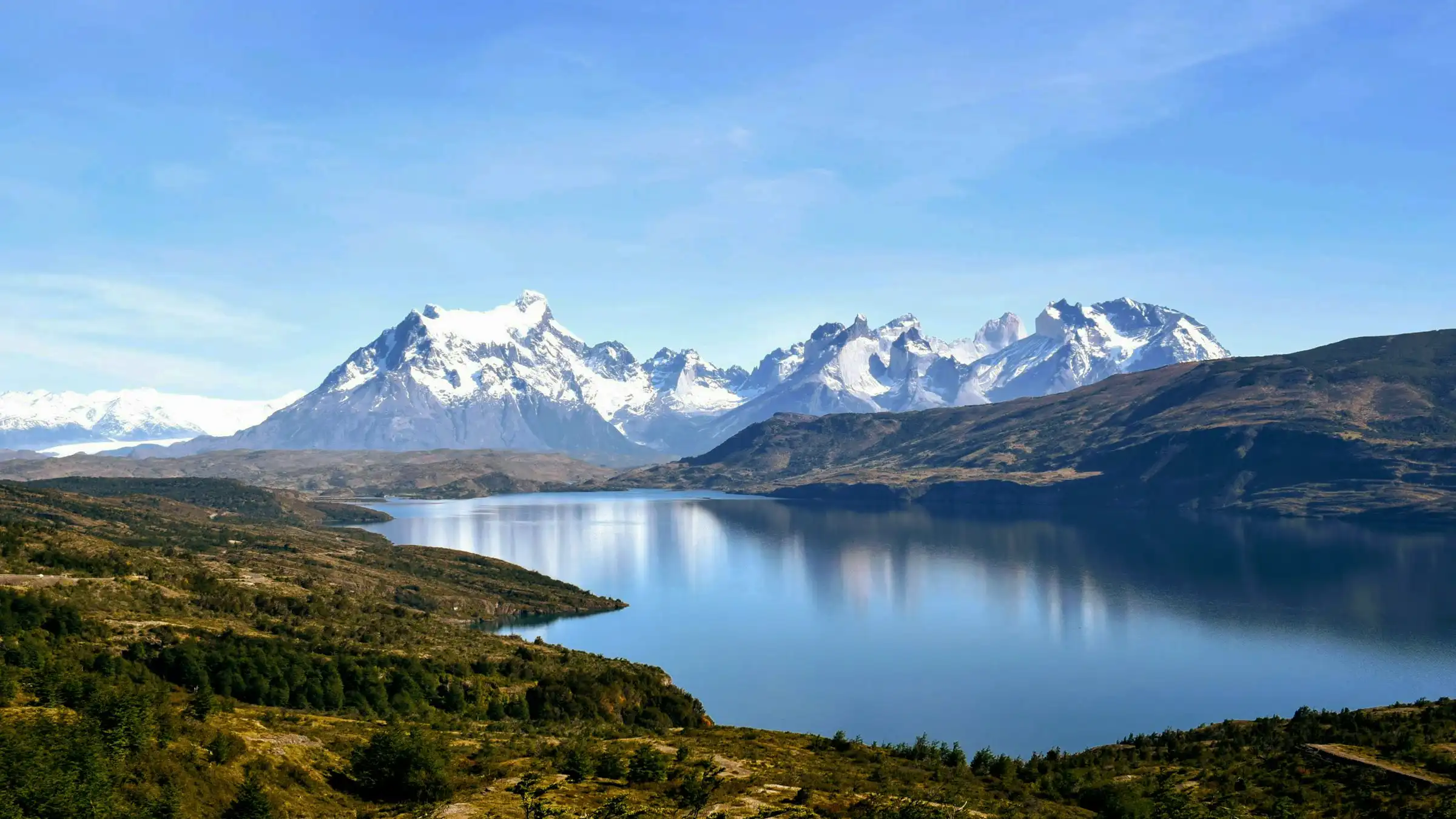
Torres del Paine
The most famous and best-equipped reserve for visitors in Patagonia, Torres del Paine, combines mountains, glaciers, rivers, and endemic forests.
- Featured fauna and flora.
- 130 species of birds and 34 of mammals, including the Puma Concolor.
- Forests of Magellan's Coigüe, lenga, and ñirre trees.
- Wetlands, lakes, and fjords like Última Esperanza Fjord and Señoret Channel.
The travel experience
Ideal for photographers and nature lovers, the reserve offers safe guided routes to observe wildlife without harming its habitat. It includes Torres del Paine National Park and natural monuments like the Milodón Cave and Mount Balmaceda.
Laguna San Rafael
Located in the Aysén Region, this reserve covers the Northern Patagonian Ice Field, home to the San Rafael Glacier, one of the most impressive in the world.
What to Do?
- Take excursions from Puerto Chacabuco by catamaran or boat to see glaciers.
- Hike on the ice of the Exploradores and Steffen glaciers.
- Ascend Mount San Valentín, the highest peak in the Patagonian Andes.
Navimag does not run tours to Laguna San Rafael, but it does provide access to the region and other Patagonian destinations.
Cabo de Hornos
The southernmost and most remote reserve in Chile, located on Navarino Island, is part of the subpolar evergreen rainforests and sub-Antarctic ecosystems.
Why It's Unique?
Find out here:
- Pure waters and extreme ecosystems that include tundra and lichen forests.
- Protected wildlife such as leopard seals, dolphins, whales, sea lions, and river otters.
- Recognized in 2016 as one of the world's top 100 sustainable destinations.
- Includes Alberto de Agostini and Cabo de Hornos National Parks, with trekking routes along the Dientes de Navarino massif.
Why Visit These Biosphere Reserves?
Among the many reasons are:
- They are unique destinations that offer experiences in nature, adventure, and photography.
- The region serves as a natural laboratory for studying climate change.
- Practicing responsible tourism is key to protecting these ecosystems for future generations.
How many UNESCO biosphere reserves are there in Chilean Patagonia?
There are four: Andean Austral Temperate Rainforests, Torres del Paine, Laguna San Rafael, and Cabo de Hornos. Each one protects unique ecosystems and endemic species.
Can all the biosphere reserves be visited in a single trip?
It depends on your time and planning. Torres del Paine and the Temperate Rainforests are more accessible, while Cabo de Hornos and Laguna San Rafael require special logistics and extra time.
What is the best time to visit these reserves?
The austral summer (December to March) offers milder temperatures and longer days, ideal for trekking, sailing, and photographing wildlife.
Do you need a guide to explore these reserves?
In parks like Torres del Paine, Laguna San Rafael, and Cabo de Hornos, it is recommended to hire specialized guides to ensure safety and respect for the flora and fauna.
How can I get to these reserves safely and comfortably?
The most practical way to explore Patagonia and get close to these reserves is via Navimag, which connects Puerto Montt with Puerto Natales and allows you to enjoy the fjords, glaciers, and Patagonian landscapes in a safe and responsible way.
The biodiversity of Chilean Patagonia is a must-see on your trip, and the best way to explore it safely and comfortably is with Navimag, which connects southern ports and the most impressive fjords in the world.
Ready to live an unforgettable journey in Chilean Patagonia? Book your trip with Navimag and immerse yourself in the world-class landscapes of these UNESCO biosphere reserves. Enjoy glaciers, forests, fjords, and unique wildlife while practicing responsible and conscious ecotourism.
Your natural adventure awaits!
Discover Patagonia like a local
Download our free guides to make the most of your voyage through Patagonia, Chile.
Discover Patagonia like a local
Download our free guides to make the most of your voyage through Patagonia, Chile.