
Chilean fjords: Discover the most impressive landscapes of Patagonia
September 16, 2026
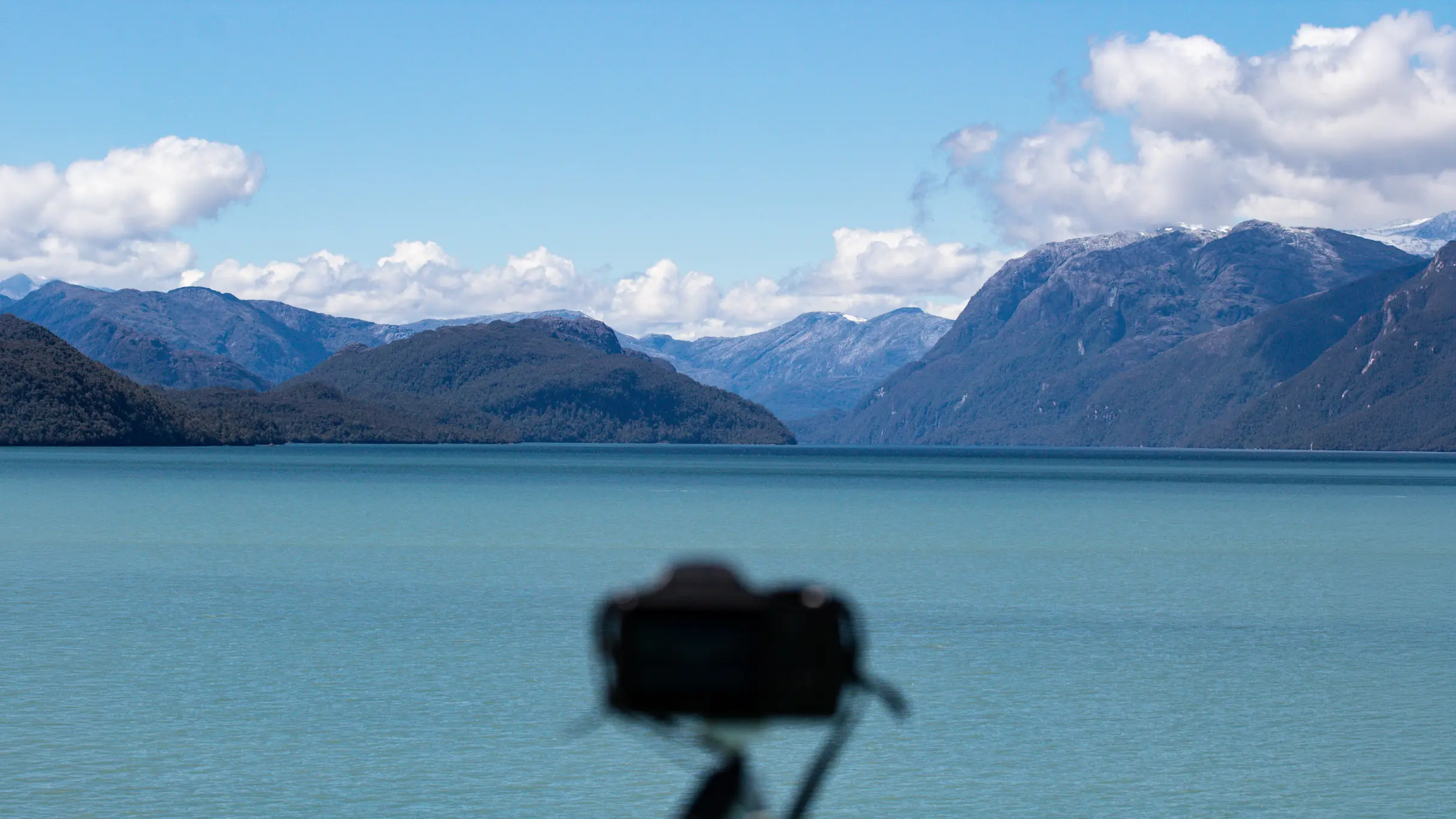
Some landscapes can only be seen from the sea. The Chilean fjords are one of them: valleys carved by glaciers that are now flooded with salt water, flanked by mountains that drop almost vertically into the channel. Exploring them by boat is not just one way of seeing them, it is the way to do it across much of Chilean Patagonia.
What are fjords and why Is Chile unique?
Before sailing them, it helps to understand what you are looking at when the ferry enters one: a geological formation that explains much of the landscape of southern Patagonia.
What Is a fjord?
A fjord is a deep, narrow valley of glacial origin that was flooded by the sea after the ice retreated. Its walls drop almost vertically and, because of its depth, it is usually navigable by large vessels.
Why Chile is unique
Chile holds one of the largest concentrations of fjords on the planet, along with Norway and New Zealand, along hundreds of miles of coastline between the Los Lagos Region and the Magallanes Region. What makes the Chilean system unique is its scale: here the fjords connect to each other through navigable channels, forming a continuous network that lets you travel almost the full length of insular Patagonia by sea.
To understand how that network works, read our guide to the Patagonian channels and ferry route.
The most stunning fjords of chilean Patagonia
These are some of the fjords, channels and passages that mark the route between Puerto Montt and Puerto Natales, and that explain why this voyage is considered one of the most scenic in South America.
Fjords of the Austral South
The following table lists the main landmarks of the voyage, from the start of the route to the arrival in Puerto Natales:
- Reloncaví Sound: Starting point of the Navimag route heading south.
- Messier Channel: One of the deepest stretches of the route, at 1,270 meters (about 4,170 feet) deep.
- Puerto Edén Fjord: Last settlement of the Kawéskar people in Chile.
- Angostura White: A passage just 80 meters (about 260 feet) wide, one of the narrowest on the route.
Landscapes along the sea routes
Along the voyage you also sail iconic stretches such as the Gulf of Ancud, the Apiao Channel, the Corcovado Gulfand the Sarmiento Channel, each with its own character: from calmer, more sheltered waters to narrow passages surrounded by hanging glaciers visible from the deck. To learn more about the ice that accompanies the route, read our guide to Patagonia glaciers and glaciers in Chile.
How to explore the fjords of Chile
The most complete way to see the Patagonian fjords is by sailing them, since most have no road access. There are different options, from short excursions in specific areas to multi-day voyages, but only a few routes cross the entire channel system between the Los Lagos Region and Magallanes in a single trip. Part of this territory lies within Bernardo O'Higgins National Park, which you can explore in the park's official brochure.
Sailing by ferry: One of the best ways to see them
The Navimag route between Puerto Montt and Puerto Natales covers a large part of this system of fjords and channels over 4 days of sailing, with three outdoor decks from which to watch the scenery with nothing in between. Unlike a one-off excursion, the ferry lets you see how the landscape changes day by day: from the more sheltered fjords of the north to the narrow, deep channels of the south, until you reach the Angostura White, the gateway to Puerto Natales.
If you are also curious about the wildlife that lives in these fjords, read our guide to animals in Patagonia and the species you can spot during the voyage.
Frequently asked questions
These are the most common questions from travelers discovering Patagonia's fjord system for the first time.
Where are the fjords of Chile?
They are concentrated mainly between the Los Lagos Region and the Magallanes Region, along insular Patagonia, in the area known as the austral channels.
How can I visit the Patagonian fjords?
The most complete way is by sailing, since much of these fjords has no road access. Routes like Navimag's let you see several of them in a single trip.
What is the best time to see them?
The October to March season offers the best overall sailing conditions and the greatest availability of onboard services.
Discover Patagonia like a local
Download our free guides to make the most of your voyage through Patagonia, Chile.
Discover Patagonia like a local
Download our free guides to make the most of your voyage through Patagonia, Chile.